60-years-of-experience

60+ Years of Experience

satisfaction-guarantee

Satisfaction Guarantee

short-lead-times

Short Lead Times

How Medical PCBs Are Improving Medical Equipment & HealthCare

When you work in the medical industry, you are holding people’s lives in your hands. Your focus it to improve your patients’ well-being and keep them living long, happy lives.

But no matter how much you have trained and developed your skills, you are only as great as the technology you use.

So, you need durable medical equipment you can rely on.

In this article, we will discuss:

  • What are medical PCBs?
  • What are the advantages of printed electronics?
  • How are printed electronics used in the medical industry?
  • What medical electronic certifications do you need?
  • Where can you find durable medical PCBs?

Let’s dive in!

What Are Medical PCBs?

PCBs, or printed circuit boards, are electronic components manufactured through printing. They can be printed on rigid or flexible circuits depending on the application.

With conductive ink, manufacturers connect and solder electronic components together. Medical PCBs are used in implantable medical devices and diagnostic and medical equipment.

To learn more about the makeup of PCBs, you can read our article, Printed Circuit Board Basics.

The Advantages of Printed Electronics

As printed electronics advance, so too does medical equipment. With remote patient monitoring (RPM) becoming more innovative, healthcare professionals are able to improve the convenience and affordability of healthcare.

Other advantages of PCBs include:

  • Aesthetically pleasing
  • Improved user experience
  • Enhanced reliability
  • Ease of production
  • Low environmental impact
  • Optimized performance
  • Flexibility
  • Durable
  • Cost-effective

As you can see, there are a lot of benefits to PCBs in the medical industry, but how are they used in practice?

How Are Printed Electronics Used in the Medical Industry

There are so many ways PCBs are used for durable medical equipment, and the list just keeps growing! Here are a few common ways medical professionals can use PCBs.

Flexible Printed Heaters

These are often manufactured on flexible circuits because they are often used to apply heat to problem areas and need to be able to comfortably move with the body. Applying heat often relaxes muscles and helps the body heal, so many use heat wraps for sports recovery.

The printed heaters can be used for:

  • Braces
  • Wraps
  • Bandages
  • Bedding

Some hospitals provide heated bedding to help ease patients’ pain. Additionally, they can be used to help comfort premature babies.

Biometric Sensors

As a medical professional, I am sure you have come across tricky sensor wires. These bundles of wires wrap around patients or catch on things.

But, with PCB sensors, you do not have to worry about wires! Instead, the electricity flows through the conductive ink. The best part is you can protect the sensor with PCB layers and a conformal coating so you can easily sterilize it between patients.

If you have a smartwatch, it uses biometric sensors to track your heart rate when working out.

medical pcb

Biometric sensors can be used for monitoring:

  • Respiratory rate
  • Muscle fatigue
  • Heart rate (EKG)
  • Muscle excursion (EMG)
  • Brain Waves (EEG)
  • Temperature
  • Blood pressure
  • Glucose levels

These sensors can be life-saving, catching medical issues before symptoms arise or before it is too late.

E-Stimulation Sensors

E-stimulation sensors are very similar to biometric sensors but they send pulses rather than receive them.

The electrodes are printed onto an adhesive or pad that sends electrical waves into the patient’s body to help heal nerves and muscles. Physical therapists use e-stimulation to help speed up recovery.

Implantable Medical Devices

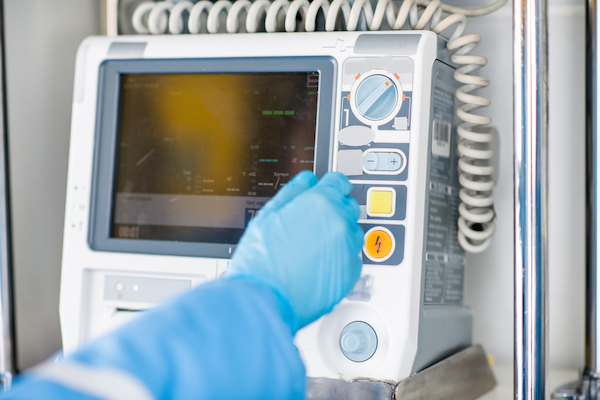
Some of the most common uses of implantable medical device (IMB) PCBs are pacemakers for those who have heart issues and cochlear implants, which are used to process sound by those who are hard of hearing.

medical pcb

Another medical device that uses PCBs is defibrillators, which are used for those who are at risk of cardiac arrest or other heart issues.

Responsive neurostimulators (RNS) for those with epilepsy also use PCBs. It is implanted into the patient’s brain and monitors brain activity and releases a mild electric shock. This is a great alternative to medications and is often used by those who suffer from severe seizures.

These types of medical devices need to be small and reliable in order to be placed into the patient’s body and stay there for a long time.

Medical Imaging and Diagnostic Devices

Medical imagining is crucial to the diagnosis and treatment of patients. Being able to accurately and efficiently collect imagery can save a life.

PCBs are used to manufacture:

  • Magnetic resonance imaging (MRI)
  • Ultrasound equipment
  • Computerized axial tomography (CT) scanning machines

These medical devices are a big investment for hospitals and medical facilities. So when you’re designing and manufacturing your PCB, you want to be sure it is reliable and free of any defects.

Advancements in Healthcare Thanks to Medical PCBs

When Covid-19 hit, many medical offices began offering at-home care. This was possible due to printed electronics. Through PCBs, medical professionals are able to monitor patients remotely.

Even now when Covid spread is no longer an issue, doctors are turning to the devices to help break down barriers in the health industry and make healthcare more accessible to all.

As PCBs advance, they are able to become smaller and more complex which allows for medical equipment to become smaller. This is particularly helpful for implants and mobile monitoring devices.

Medical Electronics Certifications You Need

When manufacturing, designing, or installing medical devices, you need to ensure you are following medical regulations.

Some certifications to look for when working with a manufacturing partner for your medical equipment are:

  • ISO 13485: Medical Devices – Quality Management Systems
  • ISO 9001: Quality Management Systems
  • ISO 14971: Risk Management Application to Medical Devices
  • IEC 60601: Medical Electrical Equipment
  • UL: Global Safety Science Company
  • CSA: Medical PPE
  • 3M Preferred Converter: Medical Adhesive Partner
  • RoHS: Restriction of Hazardous Substance Directive

The International Electrotechnical Commission (IEC) and the International Standards Organization (ISO) as well as the US Food and Drug Administration (FDA) and the Federal Communications Commission (FCC) work hard to regulate medical equipment and ensure patient safety.

Work With a Certified Medical PCB Manufacturer

Medical PCBs are often small and complex, so you need an experienced manufacturing partner.

At Hallmark Nameplate, we have decades of experience making durable PCBs for medical equipment. Over the years, we have perfected our process, from creating prototypes to conducting tests, to guarantee we always exceed our customers’ expectations.

Get your durable, long-lasting medical PCBs with Hallmark Nameplate and ensure you can provide the best care to your patients.

Want to learn more about PCBs and electronic assembly? Read our complete guide.
How the Medical Industry Can Benefit From Nameplates and Labels for Medical Equipment

Whether you operate the ER or manage a dentist’s office, you are responsible for the safety of your patients and staff. In fact, the medical industry often requires medical device labels, material specifications, certifications, and strict inspection procedures to ensure the safety of everyone who works alongside you.

Luckily, you can actively mitigate risks and abide by safety protocols through the use of durable, custom medical equipment stickers, barcodes, and labels.

In this article, you will learn everything you need to know about medical equipment labels, nameplates, and overlays and how they can help you reduce the risk of danger and liability.

Labels for Medical Equipment: A Key Component of the Medical Industry

Whether you work at hospitals, laboratories, EMTs, or clinics, you know how important it is to keep your business organized and safe at all times. When you are busy saving lives, the last thing you need to be worrying about is locating the proper button or tracking a sample.

That is why the medical device industry requires nameplates, medical equipment labels, and overlays. These simple medical equipment stickers are used to communicate the proper usage of medical equipment, tools, and substances.

Furthermore, the medical industry also needs:

  • Instructional and warning labels
  • UID nameplates and barcodes
  • Model and serial number nameplates
  • Overlays for their state-of-the-art diagnostic and therapeutic devices

So, how can nameplates, labels, and overlays benefit the medical industry?

Top 4 Benefits of Labels for Medical Equipment

The medical industry always needs to abide by the highest safety standards because you are holding someone else’s life in your hands. That is where nameplates, overlays, and labels come into play.

When you install a nameplate or overlay, such as an instructional or safety warning on your medical device, you instantly help manage the risk of use and make your processes much more efficient.

Keep reading to discover the 4 key benefits nameplates, overlays, and labels for medical equipment can offer your business.

1. Manage and track your assets with medical barcodes

When it comes to the medical industry, your assets and inventory may include important patient samples that you do not want to lose or mix up.

labels for medical equipment

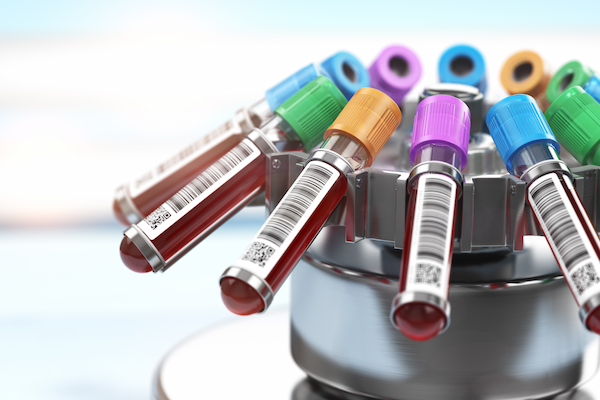
You can add a medical barcode or QR code to products, samples, and equipment in your medical facility to help you access information easily with one quick scan. This can help you trace your assets so there isn’t downtime trying to find them.

2. Reduce risk with safety warning labels and signs

Next, when you are working in the medical industry, there are a lot of risks involved. In some instances, there may be areas of your facility that can be dangerous if someone is not wearing the proper safety equipment.

Adding warning labels or signage can help to eliminate these risks and warn the user of potential harm.

For instance, practical and useful signage in your medical facility may include:

  • Custom door signs for offices
  • Medical office signs
  • Waiting room signs
  • Recovery room signs
  • Therapy & lab signs
  • Procedure room signs
  • Numbered exam room signs
  • Hospital wall signage

With these signs and labels distributed in and around your facility, you will increase both patient and staff awareness and help mitigate safety and liability risks.

3. Help your staff properly operate your medical equipment

While you may have trained your staff on how to properly use all of your equipment, it can be easy to forget the specific requirement during the day-to-day operations. Therefore, add a nameplate or label to your medical equipment with information on usage guidelines, warnings, or restrictions to help your staff.

medical device labels

Keep in mind that improperly using equipment in the medical industry can lead to your employees or patients being injured, or worse. That is why nameplates and medical device labels are so important!

4. Reinforce branding with custom overlays, plates, and labels

Finally, you can use custom branded overlays or labels on your products and equipment to help the end-user better identify your business. This can be done by including your business’s name, your branding colors, or your logo.

Now that you understand the general benefits of using overlays, labels, and nameplates in the medical industry, let’s go into more specific uses.

Importance of Nameplates in the Medical Industry

In the medical field, durable, long-lasting nameplates are critical to the safety and efficiency of anyone who works in such an intricate industry.

Simply put, nameplates, such as medical identification tags, can be used to display warnings, instructions, identification, and branding.

Medical identification tags are particularly useful on medical machines and may include:

  • Warning and instruction tags
  • Barcode and UID nameplates
  • Model Plates and Serial Number Plates

One of the main reasons nameplates are used is to provide critical information.

Primary Uses of Nameplates in the Medical Industry

For starters, a key use of nameplates in the medical field is to identify and provide vital information on medical machines and other devices that may cause harm.

Common information included on nameplates are:

  • Manufacturer’s name
  • Location of manufacturer
  • Model number
  • Serial number
  • Date of manufacture

It is important to choose a material that is durable so none of the important information on your nameplate gets tarnished or scratched.

Next, let’s discuss how you can use overlays in the medical industry.

Importance of Medical Device Overlays

A graphic overlay, also known as a panel overlay, is a critical printed interface on mechanical and electronic assemblies. It allows the user to effectively interact with the device, machine, or equipment.

This top layer visually represents the device’s user interface panel and is the first thing the operator sees. There are various forms, such as a single layer that is backed by adhesive or part of a membrane switch.

These overlays typically include the company name and branding, in addition to product information like IDs and serial numbers, plus instructions for using the device.

Finally, a graphic overlay may also include important safety warnings. This functional user-friendly interface is very important, as it helps define the user experience.

Common Uses of Overlays in the Medical Industry

labels for medical equipment

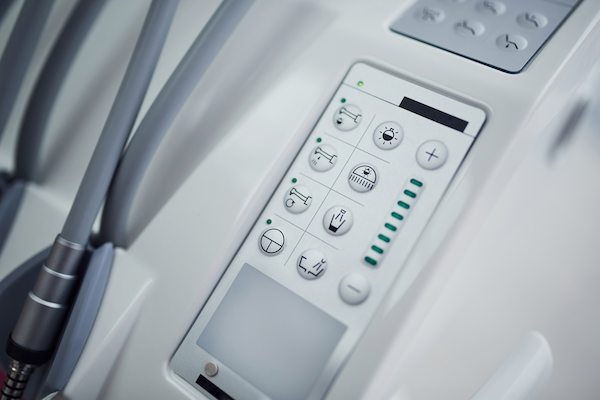
Overlays for medical devices are very important because with one wrong press of a button you can lose someone’s life. Both your employees and your patients need to be able to understand any devices they come into contact with.

All state-of-the-art diagnostic and therapeutic devices need clear overlays. This is especially so for emergency buttons where the user has to be able to recognize it at a glance.

Overlays made out of polyester, polycarbonate, or vinyl protect the devices from any contamination or damage. Many people in the medical industry turn to Polyester overlays because they are the most chemically resistant.

Importance of Medical Device Labels

Important, complex equipment requires labels or medical equipment stickers that can withstand harsh conditions and meet industry specifications. The medical industry often uses labels for asset tracking and safety, using them in clinics and on medical equipment.

The 3 main labels and tags are:

  • Inventory and asset tags
  • Warning labels
  • Branding tags

So, what are their purposes?

Key Uses of Labels in the Medical Industry

Businesses in the medical industry use labels on their medical equipment. Labels share vital instructions and safety warnings as well as provide quality control.

Typically, labels are placed on medical equipment in order to provide the necessary information. They usually contain barcodes, ownership details, manufacturer’s name, serial number, and maintenance requirements.

Once you have decided the purpose of your label, you can begin assessing the factors that go into designing nameplates, overlays, and labels for the medical industry.

Must-Know Design Factors to Create Durable Medical Labels

There are many factors that go into manufacturing the perfect nameplate, label, and overlay for your business. Depending on the purpose of your nameplate or overlay, you may require different materials or certifications.

Keep reading to learn more!

Opt for the Best Material

Durability is very important when choosing materials in the medical industry. Medical devices must be able to withstand fluids and chemicals as well as routine cleaning. Some common, long-lasting materials you can choose include:

Anodized Aluminum – Lightweight yet durable, anodized aluminum is suitable for both indoor and outdoor applications. Known for its corrosion and abrasion resistance and is lighter than other metals. Anodized aluminum can be customized with various colors and designs.

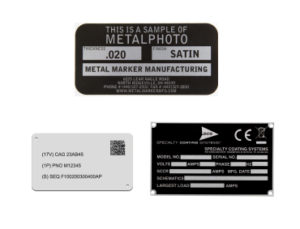
PhotoSensitive Aluminum (MetalPhoto) – MetalPhoto is extremely durable and unaffected by harsh indoor and outdoor conditions. It includes the process of sealing your image under a sapphire-hard anodic layer to protect it.

Polyester (Mylar®) – Polyester, also known as Mylar, is ideal for harsh indoor and outdoor environments. It’s UV resistant, won’t fade in the sun, is non-yellowing, and is electrical resistant. Additionally, it can withstand extreme temperatures, water, abrasion, and chemicals.

Polycarbonate (Lexan®) – Lexan is a polycarbonate resin thermoplastic material that’s transparent, strong, tough, impact-resistant, and temperature resistant. It’s the best material to use where extreme temperatures and widely varying temperatures are a concern. This material is also resistant to scratches, corrosion, chemical abrasion, and water. The material expands and contracts without damaging the material.

Vinyl (PVC) – PVC vinyl, also known as polyvinyl chloride, is very rigid and extremely durable. However, unless it has UV overlaminate protection, it isn’t suitable for outdoor use. Properties of PVC include resistance to moisture and humidity as well as low cost.

Next, when selecting your material, you also want to be aware of any industry-specific standards you need to follow.

Take Note of Certifications and Industry-Standards

When working in the medical industry your facility and equipment may require material specifications, certifications, and strict inspection procedures.

There are several important certifications to note:

ISO 13485International Standard Organization (ISO) 13485 is a certification for medical devices like medical instruments, machines, that are intended for use in the diagnosis, prevention, and treatment of diseases or other medical conditions.
ISO 9001 – This certification is for quality management systems based on procedures related to people, facilities, equipment, training, and services.
Underwriter Laboratories (UL) – certifies security for products ensuring products meet safety requirements
Canadian Standards Association (CSA) – certificate for high-risk products indicating that the product has been tested and meets high standards

Not only do these certifications assure safety but they also build credibility with your customers.

Create Durable Medical Device Labels with Hallmark Nameplate

With extensive engineering and manufacturing expertise, our team at Hallmark Nameplate will work with you to create the best medical equipment nameplates, overlays, and labels for your application. No matter what project you want to work on, we’re here to exceed your expectations!

Contact us to request a free quote and learn more about how we can help you make your medical business safe and efficient.

Want to learn more? Read our guide, The Complete Guide to Industrial and Custom Labels.

The Best Materials for Aircraft Data Plates

For the aviation industry, every detail matters when you have to meet strict requirements—especially aircraft data plates. These essential components carry important information about the aircraft, and ensuring they meet FAA requirements is critical for safety and compliance.

In this blog, we’ll explore how selecting the right materials for aircraft data plates guarantees FAA approval and enhances durability and long-term performance in demanding aviation environments. But first, let’s go over the basic components and requirements for aircraft data plates.

Without further ado, let’s dive right in!

What Are Aircraft Data Plates?

aerospace labels and nameplates | aircraft data plate

Aircraft data plates are vital identification tags affixed to various parts of an aircraft. Moreover, these plates are not just informative—they’re mandatory for compliance and safety in aviation.

Found on everything from engines and propellers to the fuselage, data plates allow technicians and inspectors to quickly access critical details about an aircraft’s components. This ensures that each part meets the necessary standards for operation.

FAA Regulatory Requirements for Aircraft Data Plates

The Federal Aviation Administration (FAA) sets strict regulations to help ensure the airworthiness of all aircraft operating in U.S. airspace. One of their key requirements is the proper labeling and identification of aircraft components through data plates.

Furthermore, these plates must adhere to specific guidelines regarding the information displayed, durability, and placement. This is to guarantee accurate identification and compliance throughout the aircraft’s lifecycle.

The aircraft data plates must contain the following essential information:

  • The manufacturer’s name
  • Aircraft model number
  • Serial number
  • Type certificate number (if applicable)
  • Aircraft engine rating (if applicable)
  • Production certificate number (if applicable)
  • And other key specifications required by regulatory bodies like the FAA

Durable and long-lasting, aircraft data plates are designed to withstand harsh environmental conditions. Whether it be wind, rain, or extreme temperatures, the choice of material for the plate is key for long-term reliability.

Fireproof Identification Plates

aerospace identification labels | aircraft data plates

Also, it is important to note that aircraft data plates must be fireproof. Nameplate manufacturers use materials like metalphoto and stainless steel to guarantee that the plates will remain intact and legible during accidents, fires, and other emergencies. This fireproof marking helps ensure safety, maintain compliance, and allow easy identification of aircraft parts in various scenarios.

Additionally, the plates must be secured in such a way that they won’t be defaced or removed during normal operations. It should be securely attached to the exterior of the fuselage in a location that is clearly visible from the ground. Moreover, it must be placed either near and behind the rear entrance door or on the fuselage close to the tail section.

Other Safety Considerations

aerospace nameplates | Hallmark Nameplate

In aviation, safety is paramount, and aircraft data plates play a crucial role in maintaining it. These plates provide essential information for technicians, inspectors, and operators. Durable and compliant data plates help prevent errors during inspections and repairs, contributing to the overall safety and reliability of the aircraft.

When a plate is damaged, stolen, or worn, it should be promptly replaced by the original manufacturer if possible. Failure to do so can lead to the aircraft being deemed ineligible for a standard airworthiness certificate.

The Best Materials for Aircraft Identification Plates

Since aircraft are often exposed to extreme environmental conditions, the nameplate material must be resistant to abrasion and corrosion. For this reason, selecting the appropriate nameplate material is very important. Hiring an experienced nameplate manufacturer will help you decide which material is best for your application.

1.) Aluminum

Generally, aluminum is a popular choice for aircraft data plates due to its lightweight and durable properties, making it ideal for use in aviation. Moreover, aluminum nameplates offer excellent resistance to corrosion and environmental conditions, which is essential in the harsh, high-altitude environments that aircraft encounter.

The material also allows for easy fabrication and anodizing, which enhances its durability and legibility. Therefore, this makes aluminum a reliable option for marking vital information on aircraft components while adhering to strict FAA regulations.

Aluminum Alloys

To dig a little deeper, aluminum alloys offer versatility in aviation due to their different series, each designed for specific uses. The 1000 series, with the highest aluminum content, provides excellent corrosion resistance.

Meanwhile, the 2000 series, which includes copper, was originally designed for aerospace, though it has been largely replaced by the stronger 7000 series. Alloys like 3003 and 6061 are popular choices for nameplates, offering a balance between strength and corrosion resistance. This makes them ideal for aircraft data plates that need to withstand demanding environments.

2.) Metalphoto®

Metalphoto Aluminum Nameplates | aircraft data plates

Next, Metalphoto® nameplates are a high-performance solution commonly used in aerospace applications due to their superior durability and clarity. Made from anodized aluminum with a photographic image embedded below the surface, these plates are highly resistant to chemicals, UV exposure, and abrasion.

Metalphoto nameplates are ideal for environments where data must remain legible under extreme conditions. Their readability upholds over time, making them perfect for long-term use in aerospace.

3.) Stainless Steel

stainless steel

Finally, stainless steel nameplates provide the ultimate strength and durability for aviation and aerospace applications. Known for their ability to withstand extreme temperatures, chemicals, and harsh environments, stainless steel plates are ideal for critical components that require the highest level of resilience.

In addition to their durability, stainless steel nameplates can be etched with highly detailed information, ensuring the data remains legible even after years of exposure to tough conditions. This makes stainless steel an excellent choice for long-term performance and compliance with FAA safety standards.

Trust Hallmark Nameplate To Exceed Your Standards

As you can see, choosing the right material for aircraft data plates is crucial to meeting FAA requirements. Durability and long-term performance in demanding environments are the bare minimum for this industry. Whether you opt for aluminum, Metalphoto®, or stainless steel, each offers unique benefits tailored to specific aerospace needs.

At Hallmark Nameplate, we specialize in producing high-quality, compliant data plates that withstand the test of time. Our expertise and material options ensure that your aircraft’s vital information remains secure and legible.

So, why just meet the standards when you can exceed them?

Visit our website today for a FREE quote and explore the best solutions for your nameplate needs!

Want to learn more? Read The Complete Guide to Custom Nameplates: Types, Materials, and Applications.