60-years-of-experience

60+ Years of Experience

satisfaction-guarantee

Satisfaction Guarantee

short-lead-times

Short Lead Times

How the Medical Industry Can Benefit From Nameplates and Labels for Medical Equipment

Whether you operate the ER or manage a dentist’s office, you are responsible for the safety of your patients and staff. In fact, the medical industry often requires medical device labels, material specifications, certifications, and strict inspection procedures to ensure the safety of everyone who works alongside you.

Luckily, you can actively mitigate risks and abide by safety protocols through the use of durable, custom medical equipment stickers, barcodes, and labels.

In this article, you will learn everything you need to know about medical equipment labels, nameplates, and overlays and how they can help you reduce the risk of danger and liability.

Labels for Medical Equipment: A Key Component of the Medical Industry

Whether you work at hospitals, laboratories, EMTs, or clinics, you know how important it is to keep your business organized and safe at all times. When you are busy saving lives, the last thing you need to be worrying about is locating the proper button or tracking a sample.

That is why the medical device industry requires nameplates, medical equipment labels, and overlays. These simple medical equipment stickers are used to communicate the proper usage of medical equipment, tools, and substances.

Furthermore, the medical industry also needs:

  • Instructional and warning labels
  • UID nameplates and barcodes
  • Model and serial number nameplates
  • Overlays for their state-of-the-art diagnostic and therapeutic devices

So, how can nameplates, labels, and overlays benefit the medical industry?

Top 4 Benefits of Labels for Medical Equipment

The medical industry always needs to abide by the highest safety standards because you are holding someone else’s life in your hands. That is where nameplates, overlays, and labels come into play.

When you install a nameplate or overlay, such as an instructional or safety warning on your medical device, you instantly help manage the risk of use and make your processes much more efficient.

Keep reading to discover the 4 key benefits nameplates, overlays, and labels for medical equipment can offer your business.

1. Manage and track your assets with medical barcodes

When it comes to the medical industry, your assets and inventory may include important patient samples that you do not want to lose or mix up.

labels for medical equipment

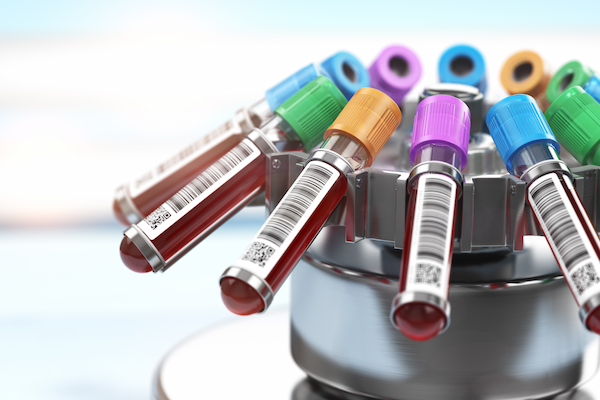
You can add a medical barcode or QR code to products, samples, and equipment in your medical facility to help you access information easily with one quick scan. This can help you trace your assets so there isn’t downtime trying to find them.

2. Reduce risk with safety warning labels and signs

Next, when you are working in the medical industry, there are a lot of risks involved. In some instances, there may be areas of your facility that can be dangerous if someone is not wearing the proper safety equipment.

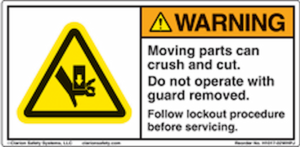
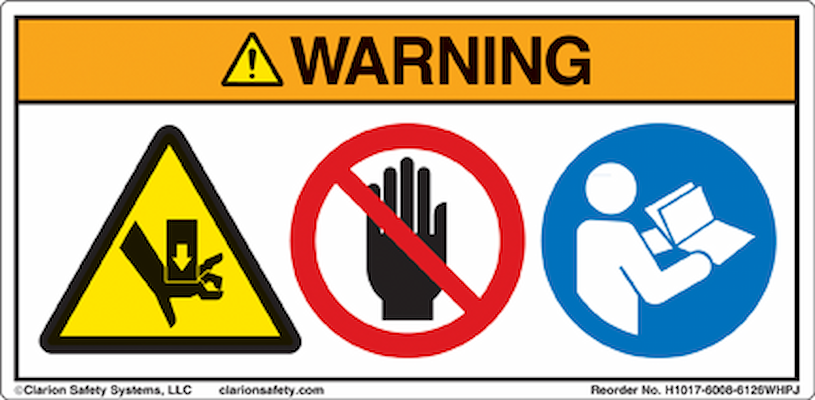
Adding warning labels or signage can help to eliminate these risks and warn the user of potential harm.

For instance, practical and useful signage in your medical facility may include:

  • Custom door signs for offices
  • Medical office signs
  • Waiting room signs
  • Recovery room signs
  • Therapy & lab signs
  • Procedure room signs
  • Numbered exam room signs
  • Hospital wall signage

With these signs and labels distributed in and around your facility, you will increase both patient and staff awareness and help mitigate safety and liability risks.

3. Help your staff properly operate your medical equipment

While you may have trained your staff on how to properly use all of your equipment, it can be easy to forget the specific requirement during the day-to-day operations. Therefore, add a nameplate or label to your medical equipment with information on usage guidelines, warnings, or restrictions to help your staff.

medical device labels

Keep in mind that improperly using equipment in the medical industry can lead to your employees or patients being injured, or worse. That is why nameplates and medical device labels are so important!

4. Reinforce branding with custom overlays, plates, and labels

Finally, you can use custom branded overlays or labels on your products and equipment to help the end-user better identify your business. This can be done by including your business’s name, your branding colors, or your logo.

Now that you understand the general benefits of using overlays, labels, and nameplates in the medical industry, let’s go into more specific uses.

Importance of Nameplates in the Medical Industry

In the medical field, durable, long-lasting nameplates are critical to the safety and efficiency of anyone who works in such an intricate industry.

Simply put, nameplates, such as medical identification tags, can be used to display warnings, instructions, identification, and branding.

Medical identification tags are particularly useful on medical machines and may include:

  • Warning and instruction tags
  • Barcode and UID nameplates
  • Model Plates and Serial Number Plates

One of the main reasons nameplates are used is to provide critical information.

Primary Uses of Nameplates in the Medical Industry

For starters, a key use of nameplates in the medical field is to identify and provide vital information on medical machines and other devices that may cause harm.

Common information included on nameplates are:

  • Manufacturer’s name
  • Location of manufacturer
  • Model number
  • Serial number
  • Date of manufacture

It is important to choose a material that is durable so none of the important information on your nameplate gets tarnished or scratched.

Next, let’s discuss how you can use overlays in the medical industry.

Importance of Medical Device Overlays

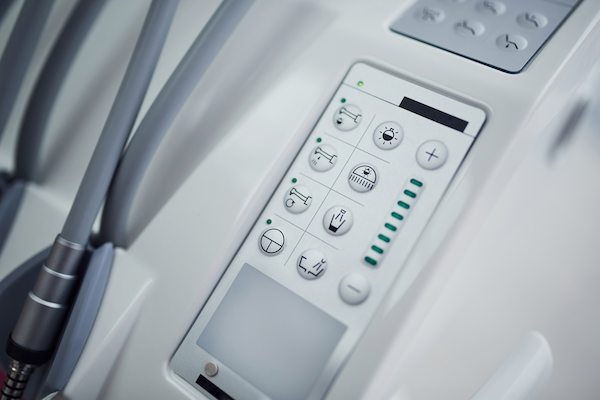
A graphic overlay, also known as a panel overlay, is a critical printed interface on mechanical and electronic assemblies. It allows the user to effectively interact with the device, machine, or equipment.

This top layer visually represents the device’s user interface panel and is the first thing the operator sees. There are various forms, such as a single layer that is backed by adhesive or part of a membrane switch.

These overlays typically include the company name and branding, in addition to product information like IDs and serial numbers, plus instructions for using the device.

Finally, a graphic overlay may also include important safety warnings. This functional user-friendly interface is very important, as it helps define the user experience.

Common Uses of Overlays in the Medical Industry

labels for medical equipment

Overlays for medical devices are very important because with one wrong press of a button you can lose someone’s life. Both your employees and your patients need to be able to understand any devices they come into contact with.

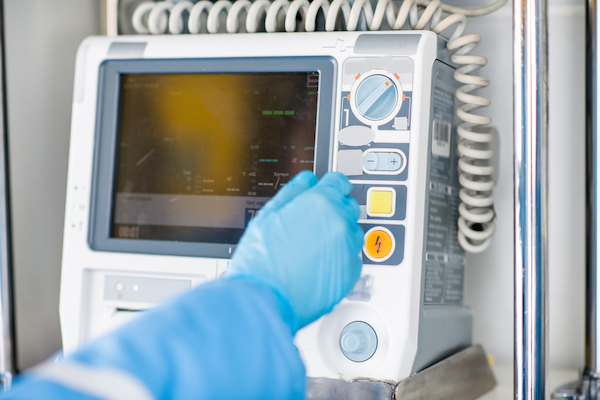
All state-of-the-art diagnostic and therapeutic devices need clear overlays. This is especially so for emergency buttons where the user has to be able to recognize it at a glance.

Overlays made out of polyester, polycarbonate, or vinyl protect the devices from any contamination or damage. Many people in the medical industry turn to Polyester overlays because they are the most chemically resistant.

Importance of Medical Device Labels

Important, complex equipment requires labels or medical equipment stickers that can withstand harsh conditions and meet industry specifications. The medical industry often uses labels for asset tracking and safety, using them in clinics and on medical equipment.

The 3 main labels and tags are:

  • Inventory and asset tags
  • Warning labels
  • Branding tags

So, what are their purposes?

Key Uses of Labels in the Medical Industry

Businesses in the medical industry use labels on their medical equipment. Labels share vital instructions and safety warnings as well as provide quality control.

Typically, labels are placed on medical equipment in order to provide the necessary information. They usually contain barcodes, ownership details, manufacturer’s name, serial number, and maintenance requirements.

Once you have decided the purpose of your label, you can begin assessing the factors that go into designing nameplates, overlays, and labels for the medical industry.

Must-Know Design Factors to Create Durable Medical Labels

There are many factors that go into manufacturing the perfect nameplate, label, and overlay for your business. Depending on the purpose of your nameplate or overlay, you may require different materials or certifications.

Keep reading to learn more!

Opt for the Best Material

Durability is very important when choosing materials in the medical industry. Medical devices must be able to withstand fluids and chemicals as well as routine cleaning. Some common, long-lasting materials you can choose include:

Anodized Aluminum – Lightweight yet durable, anodized aluminum is suitable for both indoor and outdoor applications. Known for its corrosion and abrasion resistance and is lighter than other metals. Anodized aluminum can be customized with various colors and designs.

PhotoSensitive Aluminum (MetalPhoto) – MetalPhoto is extremely durable and unaffected by harsh indoor and outdoor conditions. It includes the process of sealing your image under a sapphire-hard anodic layer to protect it.

Polyester (Mylar®) – Polyester, also known as Mylar, is ideal for harsh indoor and outdoor environments. It’s UV resistant, won’t fade in the sun, is non-yellowing, and is electrical resistant. Additionally, it can withstand extreme temperatures, water, abrasion, and chemicals.

Polycarbonate (Lexan®) – Lexan is a polycarbonate resin thermoplastic material that’s transparent, strong, tough, impact-resistant, and temperature resistant. It’s the best material to use where extreme temperatures and widely varying temperatures are a concern. This material is also resistant to scratches, corrosion, chemical abrasion, and water. The material expands and contracts without damaging the material.

Vinyl (PVC) – PVC vinyl, also known as polyvinyl chloride, is very rigid and extremely durable. However, unless it has UV overlaminate protection, it isn’t suitable for outdoor use. Properties of PVC include resistance to moisture and humidity as well as low cost.

Next, when selecting your material, you also want to be aware of any industry-specific standards you need to follow.

Take Note of Certifications and Industry-Standards

When working in the medical industry your facility and equipment may require material specifications, certifications, and strict inspection procedures.

There are several important certifications to note:

ISO 13485International Standard Organization (ISO) 13485 is a certification for medical devices like medical instruments, machines, that are intended for use in the diagnosis, prevention, and treatment of diseases or other medical conditions.
ISO 9001 – This certification is for quality management systems based on procedures related to people, facilities, equipment, training, and services.
Underwriter Laboratories (UL) – certifies security for products ensuring products meet safety requirements
Canadian Standards Association (CSA) – certificate for high-risk products indicating that the product has been tested and meets high standards

Not only do these certifications assure safety but they also build credibility with your customers.

Create Durable Medical Device Labels with Hallmark Nameplate

With extensive engineering and manufacturing expertise, our team at Hallmark Nameplate will work with you to create the best medical equipment nameplates, overlays, and labels for your application. No matter what project you want to work on, we’re here to exceed your expectations!

Contact us to request a free quote and learn more about how we can help you make your medical business safe and efficient.

How an Architectural Label Can Mitigate Risk in the Architecture & Construction Industry

Here’s something we can all agree on: When designing and constructing buildings, there are always risks involved, especially when it comes to the use of complex equipment. So, how do you mitigate the risk of use? This is where architectural labels, overlay, or nameplate comes into play.

In this article, discover how the building industry can benefit from overlays, labels, and nameplates and learn how you can apply them in the field.

First, let’s talk about the common uses of architectural and construction overlays, labels, and nameplates today.

Key Uses of Nameplates and Labels in the Construction Industry

Whether you are sitting behind a drafting table or working in the construction field, you are likely using complex tools and equipment. Because of this, the building industry requires overlays, nameplates, and tags such as:

  • Inventory and asset tags for design and drafting equipment
  • Instructional nameplates for equipment
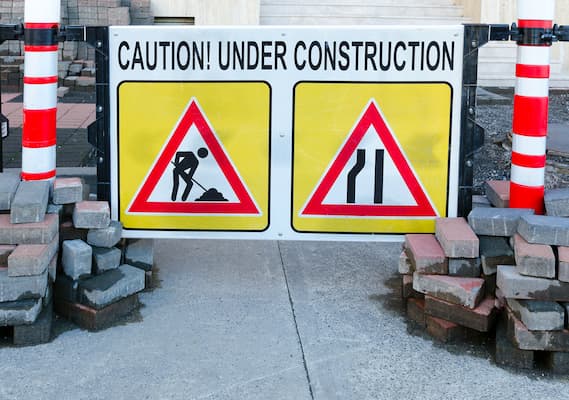
  • Warning nameplates for dangerous areas
  • Custom graphic overlays for mechanical and electronic assemblies
  • Branding tags for drafting plan cases

Next, applications commonly include engineering design plans for buildings, office spaces, landscapes, residential homes, and institutional spaces.

Now, you may be wondering what the benefits are of using an architectural label or nameplate. Keep reading to find out.

Major Benefits of Architectural Labels

With any industry, there are benefits that come with using custom nameplates, overlays, and labels. When it comes to the architecture and construction industries, in particular, a label or nameplate specifically designed for each product, tool, or piece of equipment can have huge benefits for both the user and the business as a whole.

construction warning labels and architectural labels

These benefits include:

  • Increased organization – track and manage your construction equipment with specialized barcodes so you do not have to fuss with downtime.
  • Improved sales – with an architectural label on your side, you can heighten your perceived value and brand awareness, which often leads to more sales.
  • Better communication – users will gain access to better information on proper usage of equipment and products. With the manufacturer’s contact information included, users can seek help when necessary.
  • Safer environment – Proper safety and warning labels keep your employees, customers, and your business safe and minimize risk.

Now that you understand the general benefits of using overlays, labels, and nameplates in the architecture and construction industries, let’s go into more specific uses.

Graphic Overlays in Architecture & Construction

When working in architecture and construction, you will come in contact with a lot of intricate equipment that requires special care and use.

As heavy machinery can pose a potential workplace risk and increased liability for organizations, interfaces must be robust and easy to read, as well as intuitive. That is where graphic overlays come into play.

How Can a Graphic Overlay Benefit the Construction Industry?

A graphic overlay, also known as a panel overlay, a critical printed interface on mechanical and electronic assemblies allows the user to effectively interact with the device, machine, or equipment.

This top layer visually represents the device’s user interface panel, and it is the first thing the operator sees. There are various forms, such as a single layer that is backed by adhesive or part of a membrane switch.

These overlays typically include the company name and branding, in addition to product information like IDs and serial numbers, plus instructions for using the device. A graphic overlay may also include important safety warnings. This functional user-friendly interface is very important, as it helps define the user experience.

Common Uses of Architectural Overlays

Typical uses of graphic overlays include:

  • Instructions – when using expensive, heavy-duty machinery there is no such thing as a small mistake. Eliminate risk by including instructions that explain to the user how to properly operate the equipment.
  • Safety – working in the field, safety is a major concern. When your controls aren’t clearly visible to the user, for instance, emergency stop buttons, it can put them at risk.
  • Durability – adding an overlay to your construction equipment can help to increase their lifespan. This is extremely helpful in the field where your equipment has to hold up against harsh conditions.
  • Product Warning – overlays and their design help increase the visibility of equipment and facility warnings.
  • Brand Recognition – using custom branded overlays on your products and equipment can help the end-user better identify your business. This can be done by including your business’s name, your branding colors, or your logo.

Now that you know all about graphic overlays, let’s talk about the key purpose of an architectural label.

Labels in Architecture & Construction

Machinery and heavy-duty equipment require labels that can withstand harsh conditions and meet industry specifications. The architecture and construction industry often use labels for asset tracking and safety, using them in the field and on equipment.

The 3 main labels and tags are:

  • Inventory and asset tags
  • Warning labels
  • Branding tags

architectural labels

These tags are added to drafting tables, tools, cases, machinery, and throughout the construction field.

So, what are their purposes?

Key Purposes of Architectural Labels?

Businesses in the architecture and construction industries use labels to facilitate their building design and construction. Labels share vital instructions and safety warnings as well as provide quality control.

Typically, labels are placed on architectural tools and construction equipment in order to provide the necessary information. They usually contain barcodes, ownership details, manufacturer’s name, serial number, and maintenance requirements.

Once you have decided the purpose of your label, you can begin to select the material you want to use.

Common Materials for Architectural Labels

To start, there are 2 main types of materials you can select for your labels. These include:

Polyester (Mylar®) – Polyester, also known as Mylar, is ideal for harsh indoor and outdoor environments, since it’s UV resistant, won’t fade in the sun, is non-yellowing, electrical resistant, and can withstand extreme temperatures, water, abrasion, and chemicals.

Polycarbonate (Lexan®) – Lexan is a polycarbonate resin thermoplastic material that’s transparent, strong, tough, impact-resistant, and temperature resistant. It’s the best material to use where extreme temperatures and widely varying temperatures are a concern. This material is also resistant to scratches, corrosion, chemical abrasion, and water, and it expands and contracts without damaging the material.

Nameplates in Architecture & Construction

Nameplates are critical to the safety and efficiency of anyone who works in these intricate industries. One of the main types of plates used in architecture and construction are builder’s plates.

These typically can be found on:

  • Bogies
  • Construction equipment
  • Rolling stock
  • Automobiles and other transportation
  • Household appliances
  • Bridges

Nameplates provide critical information.

Common information included on nameplates are:

  • Manufacturer’s name
  • Location of manufacturer
  • Model number
  • Serial number
  • Date of manufacture

Now that you have a better understanding of how you can use nameplates in the architecture and construction industries, we will discuss choosing the right materials.

Common Materials for Architectural Nameplates

Along with Polyester (Mylar®) and Polycarbonate (Lexan®), other durable materials you can choose for your nameplates include:

Stainless steel – it is durable in high temperatures and harsh chemicals. Stainless steel is also more sanitary than other materials because bacteria does not adhere to the metal and it is easier to clean.

Aluminum – this is an ideal material for architectural and construction nameplates because it is durable, lightweight, scratch-resistant, and cost-effective. It can stand up to harsh weather as well as various chemicals.

Vinyl (PVC) – PVC vinyl, also known as polyvinyl chloride, is very rigid and extremely durable. However, unless it has UV overlaminate protection, it isn’t suitable for outdoor use. Properties of PVC include resistance to moisture and humidity as well as low cost.

How to Choose the Right Manufacturing Process for Nameplates

Once you’ve selected the material you are going to use, it’s time to decide which manufacturing process you want to go with.

architectural labels

The most common process for architectural nameplates include:

Embossing – this creates raised numbers and letters in metal and is very durable with enhanced legibility.
Screen Printing – using colored ink your design is printed on the top layer of your metal surface. This process is recommended for projects that do not have to withstand harsh conditions, like warning signs.
Doming – custom domed nameplates have a 3D effect that stands out to create a strong brand design. This process is not recommended for outdoor use because extended sunlight exposure can cause damage to the underlying print.
Photo Anodization – During this process, your design is placed under a layer of aluminum to withstand extreme temperatures.

Choosing the right material and process can be tricky. Avoid the headaches by working with a manufacturing facility that has years of experience in the architectural and construction industry.

Create The Perfect Architectural Label, Overlay, or Nameplate with Hallmark Nameplate

At Hallmark Nameplate, we offer a full range of materials, thicknesses, finishes, adhesives, and special processes to meet the demands of the architecture and construction industries.

With extensive engineering and manufacturing expertise, we work with you to create the best nameplates, overlays, and labels for your application.

Ready to create the perfect architectural label for your business? Get a FREE quote to get started.