

Every engineer and purchasing agent specifying a control interface faces the same question: Will this component survive the field, pass certification, and ship on schedule?
Membrane switches answer all three, which is why they’re embedded in medical devices, defense systems, industrial controls, and automotive platforms worldwide.
Below, you’ll see where membrane switch uses dominate across six industries, the compliance and performance demands in each, and what separates a production-ready supplier from a costly sourcing mistake.
Key Takeaways:
- Six industries rely on membrane switches – Consumer electronics, medical, fitness, industrial, automotive, and defense rely on membrane switches for sealed, durable, low-profile control interfaces.
- Compliance drives supplier choice – Medical requires ISO 13485, defense requires ITAR, and industrial demands ISO 9001 + UL
- Reliability beats aesthetics – Engineers spec membrane switches for IP-rated sealing, tactile feedback, and field durability
- U.S. manufacturing reduces risk – Domestic sourcing cuts tariffs, shortens lead times, and protects certification timelines.
Why Membrane Switch Uses Span So Many Industries
Here’s the thing most buyers miss: a membrane switch isn’t just a button replacement; it’s a sealed user interface that consolidates multiple components into a single, thin, reliable stack.
That matters because engineers and purchasing agents face three constants: shrinking form factors, tightening compliance, and zero tolerance for field failures. Membrane switch applications solve all three at once.
Their low-profile design, IP-rated sealing, and customizable graphic overlays make them ideal for any environment where dust, moisture, chemicals, or heavy use would destroy mechanical switches. Add ITAR-compliant sourcing and medical-grade materials, and the use cases multiply fast.
Top Applications of Membrane Switches
Membrane switches aren’t a niche component; they’re the default control interface across every industry where reliability, compliance, and durability matter more than flash.
Below, we break down the six sectors where membrane switch uses dominate, what engineers prioritize in each, and why the stakes make supplier selection a critical decision rather than a commodity purchase.

1. Consumer Electronics: The Membrane Switches You Touch Daily
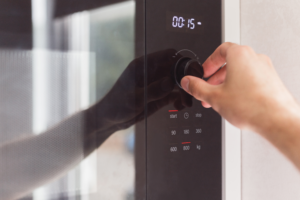
Look around your kitchen right now. Your microwave panel, coffee maker keypad, and air conditioner controls almost certainly run on membrane switches.
Manufacturers love them for two reasons: they’re cheap to produce at scale and nearly impossible to damage through normal use. Spill-proof, dust-sealed, and flush-mounted, they wipe clean in seconds and survive a decade of daily presses.
TV remotes, home security panels, smart thermostats, and gaming peripherals all rely on the same principle. The graphic overlay takes the abuse, the circuit layer stays protected, and the device keeps working long after a mechanical alternative would have failed.
2. Fitness and Gym Equipment: Built for Sweat, Built for Reps
Walk into any commercial gym, and you’ll see membrane switches taking a beating. Treadmill consoles, elliptical displays, rowing machine controls, all sealed to survive sweat, spilled water bottles, and 80+ hours of weekly use.
Mechanical buttons would corrode and stick within months. Custom membrane switches shrug it off because the circuit layer sits beneath a chemically resistant polyester overlay.
And here’s what fitness OEMs really care about: service call costs. A single console failure at a 24-hour gym triggers downtime, user complaints, and an expensive field repair. Sealed membrane interfaces cut that rate dramatically.

3. Medical Equipment: Where Membrane Switches Save Lives
Now consider the stakes in a hospital. A contaminated control panel isn’t an inconvenience; it’s a patient safety event.
That’s why diagnostic instruments, patient monitoring systems, infusion pumps, and laboratory analyzers lean heavily on medical membrane switches. The sealed surface resists disinfectants, prevents bacterial ingress, and meets the stringent requirements of ISO 13485.
Precision matters here, too. Tactile feedback tells a nurse the button registered without needing to look, reducing errors during high-pressure moments.
Here’s the kicker: medical OEMs rarely switch suppliers once a device is validated. Choosing a U.S.-based, ISO 13485-certified manufacturer the first time isn’t overkill; it’s risk mitigation that protects your FDA submission timeline.
4. Automotive: Low-Profile, High-Vibration, Zero Compromise

Automotive dashboards, HVAC controls, infotainment trim, and commercial vehicle panels all lean on membrane switches for one simple reason: they don’t rattle, they don’t wear out, and they survive temperature extremes from -40°F to 185°F.
Weight matters too. Every gram removed from a vehicle interior improves fuel efficiency, and membrane switches weigh a fraction of traditional button assemblies.
Add customizable backlighting, branded graphic overlays, and aggressive cost-per-unit targets, and you see why Tier 1 automotive suppliers specify them across passenger, commercial, and off-highway vehicles.
5. Military and Defense: ITAR-Compliant and Battlefield-Ready
Let’s be blunt: defense applications are unforgiving. A switch failure on a battlefield communication system, targeting interface, or vehicle control panel isn’t a warranty claim; it’s a mission failure.
That’s why military membrane switches are engineered to survive MIL-spec conditions: sand, saltwater, shock, extreme altitude, and chemical exposure. Rugged overlays, shielded circuitry, and NVIS-compatible backlighting meet the brutal requirements of modern defense platforms.
And for U.S. defense contractors, ITAR registration isn’t optional; it’s a gate. Hallmark Nameplate is ITAR-registered, meaning cleared engineers, secured supply chains, and full compliance with export-controlled programs.
6. Industrial Control Panels: The Harsh Environment Specialist
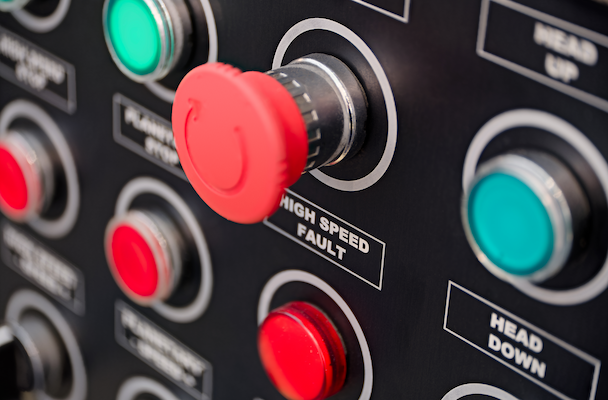
Step onto any factory floor, and the environment turns hostile. Dust, oil mist, cleaning solvents, vibration, temperature swings, all enemies of traditional switches.
Industrial membrane switches thrive here because they’re built for exactly these conditions. IP65 and IP67 sealing ratings keep contaminants out, while embossed tactile keys give operators confirmation even through gloves.
Picture this: a food processing plant washing down a control panel with high-pressure sanitizer every shift. A membrane interface handles it. A keypad with gaps between keys doesn’t.
That durability translates directly to uptime, which is the only KPI that matters in manufacturing.
The Common Thread Across Membrane Switch Uses
Notice what every industry above has in common? Across all six membrane switch uses, the pattern is the same: reliability, compliance, and customization, not aesthetics.
Buyers don’t choose membrane switches because they look sleek. They choose them because the switch survives the environment, meets the certification, and ships on time.
Lose any one of those three, and the project stalls. That’s why selecting a domestic, multi-certified membrane switch manufacturer matters more than shaving a few cents per unit from an overseas supplier.
Membrane Switch FAQs
Why are membrane switches used in medical devices?
Medical membrane switches are often specified for diagnostic instruments, patient monitoring systems, infusion pumps, and laboratory analyzers because the sealed surface can help resist hospital-grade disinfectants, reduce bacterial ingress risk, and support ISO 13485-aligned manufacturing requirements.
Tactile feedback also reduces operator error during high-pressure clinical moments. Because changing suppliers after device validation can create additional documentation, testing, and approval requirements, selecting a U.S.-based, ISO 13485-certified manufacturer from the start can help reduce risk.
What certifications are required for military and defense membrane switches?
For export-controlled U.S. military and defense programs, membrane switch manufacturers may need ITAR registration, U.S.-based personnel handling controlled technical data, secured supply chains, and compliance with export-control requirements.
Military-grade membrane switches are also engineered to MIL-STD-810 environmental conditions, including sand, saltwater, shock, extreme altitude, and chemical exposure. Additional features like NVIS-compatible backlighting and shielded circuitry are standard for modern defense platforms.
What sealing ratings do industrial membrane switches need?
Industrial membrane switches typically require IP65 or IP67 sealing ratings to keep dust, oil mist, cleaning solvents, and high-pressure sanitizers out of the circuit layer.
IP65-rated membrane switches are protected against dust and low-pressure water jets, while IP67-rated membrane switches can withstand temporary submersion. Embossed tactile keys are also specified so operators can confirm button presses through gloves. These ratings are essential for food processing plants, manufacturing floors, and other harsh industrial environments.
What industries use membrane switches?
Membrane switch uses span six major industries: consumer electronics (microwaves, coffee makers, thermostats), fitness and gym equipment (treadmill consoles, rowing machines), medical equipment (diagnostic instruments, patient monitors, infusion pumps), automotive (dashboards, HVAC controls, infotainment), military and defense (communication systems, targeting interfaces, vehicle control panels), and industrial control panels (factory machinery, food processing equipment).
Each industry may select membrane switches for reliability, compliance, and durability requirements that can be difficult to meet with traditional mechanical switches.
How do membrane switches differ from mechanical switches?
Membrane switches are flat, sealed user interfaces that collapse multiple components into one thin, reliable stack, while mechanical buttons have physical gaps, moving parts, and multiple failure points.
Membrane switches offer IP-rated sealing against dust, moisture, and chemicals, weigh significantly less than mechanical assemblies, survive a decade of daily use, and support customizable graphic overlays, backlighting, and branded aesthetics. Mechanical switches corrode, stick, and fail in harsh environments like gyms, factories, and medical facilities.
Why does U.S. manufacturing matter when sourcing membrane switches?
U.S.-based membrane switch manufacturing can support shorter lead times, clearer communication, stronger intellectual property protection, and reduced exposure to import tariffs on finished goods.
Tariffs, geopolitical disruptions, and ITAR export restrictions can make offshore sourcing more challenging for manufacturers serving regulated medical, defense, aerospace, and industrial markets. For defense programs specifically, ITAR registration requires U.S. manufacturing with cleared engineering personnel.
Does Hallmark Nameplate manufacture custom membrane switches?
Yes. Hallmark Nameplate designs and manufactures custom membrane switches for aerospace, medical, defense, and industrial OEM customers. The company was founded in 1957 and holds ISO 9001:2015, ISO 13485:2016, ITAR registration, UL Listed, RoHS compliance, and 3M Preferred Converter certifications. All manufacturing is performed at the Mt. Dora, Florida, facility, with full U.S.-based engineering support and secured supply chains for export-controlled programs.
Get High-Quality Membrane Switches for Any Application
So whether you’re designing a medical monitor, a factory control panel, or a defense-grade interface, the membrane switch inside your product determines whether it ships, certifies, and survives the field.
Now here’s the real question: is your current supplier built to handle your industry’s specific demands, or are you one failed audit, one botched certification, or one missed deadline away from rebuilding your supply chain?
Request a free sample kit from Hallmark Nameplate and see, feel, and test U.S.-built membrane switches engineered for your industry, backed by ISO 9001, ISO 13485, ITAR, and UL certifications, and nearly seventy years of American manufacturing.
Want to learn more? Read our complete guide, Everything You Need to Know About Membrane Switches.